


ph878 | Exploring the Evolving World of Simulation Games
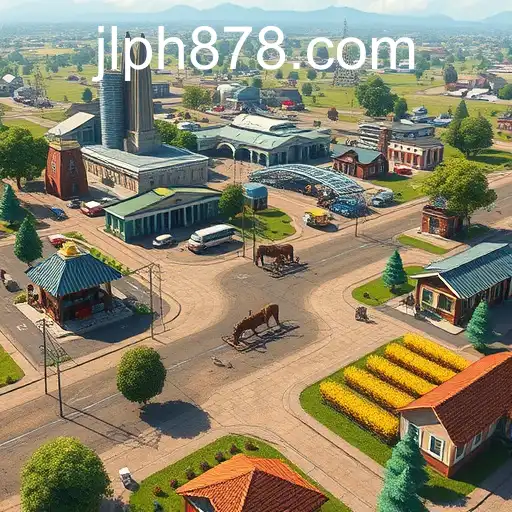
Simulation Games have carved a vital niche in the gaming industry by offering unique experiences that replicate real-world or hypothetical activities. With 'ph878' as the keyword, these types of games can range across various themes including city planning, farming, warfare, and life simulation, among others. They are meticulously designed to provide players with the thrill of overseeing and manipulating intricacies in a controlled environment, often offering both entertainment and educational value.
The appeal of simulation games lies in their ability to allow players to exercise creativity, strategic thinking, and problem-solving skills. Games like 'The Sims', 'SimCity', and 'Farming Simulator' have become staples, offering players endless possibilities to create and manage intricate systems, explore new careers, or simply build their dream worlds from scratch.
Often celebrated for their educational aspects, simulation games also serve as platforms for learning complex concepts. Flight simulators, for example, provide budding pilots with the opportunity to educate themselves in aviation from the comfort of their homes. Similarly, business simulators enable aspiring entrepreneurs to delve into corporate challenges, managing resources, and balancing budgets to thrive in the virtual market.
Moreover, the diversity in themes allows simulation games to appeal to a wide array of interests, making them popular across different age groups. Whether it’s running a restaurant, managing a football club, or simulating a farm, these games often mirror real-world dynamics that help in honing practical skills and an understanding of various industries.
As technology advances, the immersive nature of simulation games is also evolving, with virtual reality and augmented reality elements integrating into gameplay, enhancing the realism and engagement. This opens new avenues for creators and audiences alike, promising richer experiences and broader horizons in the landscape of gaming.
In conclusion, the allure of simulation games is their capacity to mimic reality closely while providing a sandbox for innovation and experimentation. The permutation of 'ph878' in this context could represent anything from a unique code for personalized gameplay experience or an identifier in a specific simulation community. Regardless, the core of simulation games remains constant – to entertain, educate, and empower players in a world where they control the narrative.
